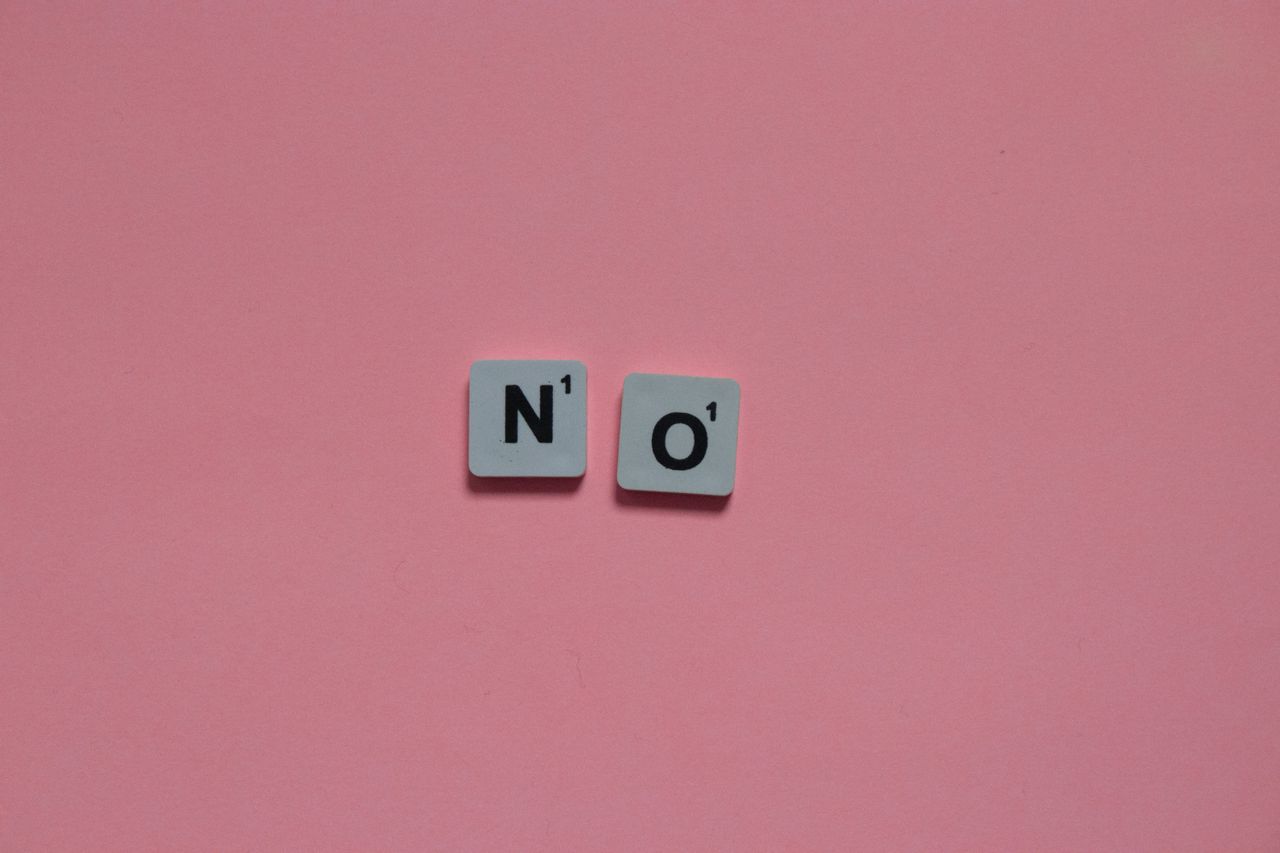
Saying no sounds easy—until you actually have to do it.
Maybe a friend asks for a favor you don’t have time for. A coworker wants you to take on another task. Someone invites you somewhere when you’d rather stay home. You know you want to say no, but then the guilt kicks in.
So you say yes.
The problem? Constantly saying yes when you really mean no can leave you exhausted, frustrated, and even resentful. That’s why learning to say no can be an important part of self-respect.
Why Is Saying No So Hard?
For many people, saying no brings up a fear of disappointing others. You might think:
“They’ll be upset with me.”
“They’ll think I’m selfish.”
“What if they don’t like me anymore?”
You may also want to avoid conflict. Saying yes feels easier in the moment because you don’t have to deal with an uncomfortable reaction.
But avoiding discomfort doesn’t mean the situation is healthy.
Saying No Doesn’t Mean You Don’t Care
One of the biggest misconceptions about saying no is that it means you don’t care about someone.
It doesn’t.
You can love a friend and still not be available every time they call. You can care about your family and still need personal space. You can respect a coworker without taking on their workload.
Caring about people doesn’t require unlimited availability.
No Can Be a Healthy Boundary
A simple no can protect your time, energy, privacy, and personal boundaries.
Try:
“I can’t help with that today.”
“Thanks for asking, but I’ll pass.”
“I’m not comfortable with that.”
“I don’t have time for this right now.”
Notice that none of these statements are rude. They’re simply clear.
You don’t need a ten-minute explanation every time you decline something.
What If Someone Gets Upset?
This is where saying no becomes difficult.
Someone might be disappointed, annoyed, or even angry. But their reaction doesn’t automatically mean you’ve done something wrong.
You can acknowledge their feelings without changing your decision:
“I understand you’re disappointed, but I still can’t do it.”
That’s assertiveness, not selfishness.
You are allowed to have limits, even when someone else doesn’t like them.
Start Small
If you’re not used to saying no, don’t try to change everything overnight.
Start with small things. Instead of automatically saying “Whatever you want,” say:
“I’d rather stay home.”
Instead of immediately agreeing to a favor:
“Let me think about it first.”
These small moments teach you that saying what you actually want doesn’t automatically create a disaster.
The Bottom Line
Saying no isn’t about putting yourself above everyone else. It’s about remembering that your time, energy, and needs matter too.
A respectful no can prevent resentment, strengthen your boundaries, and make your yes more genuine.
You don’t have to say yes just to keep everyone happy.
Sometimes, saying “no” is simply saying “I respect myself enough to be honest.”